

The dog
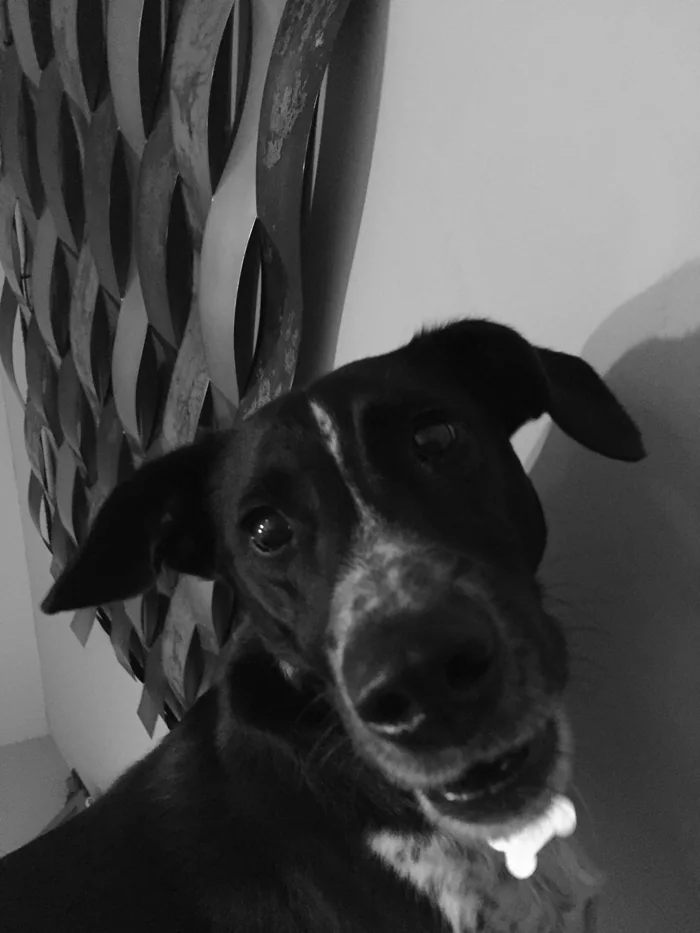
Family, with excellent ears.
Phinny was a senior rescue dog, which tells you something about his paperwork and very little about him. He was alert, funny and inclined to put his whole face into whatever you were doing.
He liked water, fields, the business of home and keeping watch when no watch was required. His ears rarely agreed on anything. He did not arrive as a lesson. He arrived as Phinny.

Where the website comes in
The price was obvious. The meaning of the price was not.
Phinny later developed cancer and died. That belongs in the story, but it is not the site’s sales pitch. What matters here is what the experience brought into focus.
The monthly premium was easy to spot. The harder questions were scattered across deductibles, reimbursement percentages, limits, exclusions, and definitions—ordinary words carrying rather a lot of weight.
- What would this policy actually pay in a real example?
- Are these two quotes genuinely comparable?
- What changed at renewal, in dollars and in percent?
- Which missing answers must come from the insurer?
I wanted those questions to become clear before a person was trying to answer them under pressure.
The useful thing I could build
That became TAILOR.
TAILOR is a guided comparison worksheet. The name comes from fit: a good tailor measures before saying something fits. This tool measures the parts of a pet-insurance decision that can actually be measured, without pretending to choose a policy for you.
It compares real numbers, shows the math, keeps unlike terms visibly unlike, and turns missing information into questions for the insurer. Then it produces a decision pack you can print or save.
Nothing is uploaded. Nothing is sold. Where the evidence stops, TAILOR says so. That restraint is not a missing feature; it is part of the point.
The practical next step
Bring the numbers in front of you.
Contact
Corrections, questions and accessibility reports are welcome at ciaranpaulroche@gmail.com.
PetInsurancePremiums.com does not sell insurance and has no affiliate insurer relationships. If that ever changes, it must be disclosed plainly and kept separate from TAILOR’s calculations.